

Organizing a conference at a hotel begins with selecting a venue that will provide the right conditions for participants and facilitate the entire event. A hotel can be a good solution in this regard, especially if, in addition to the business portion, you also need to plan meals, accommodations, and additional attractions. So, what should you consider when choosing a venue and organizing a conference to ensure proper preparation for each stage?
Where to begin organizing a conference?
From the very beginning, you need to determine the purpose and theme of the event. Organizing a conference for dozens of employees combined with workshops is different from organizing a full-day client event, and a multi-day industry meeting with accommodations is still different. The purpose of the conference largely determines the program, venue selection, room layout, catering, and additional attractions.
The next step is determining the number of participants, the date, and the budget. Costs should include not only room rental, but also meals, accommodations, audiovisual equipment, transportation, and materials for guests. For larger business events, it's best to start preparations at least a few months in advance to have time to refine the program, send invitations, and finalize key organizational matters.
How to choose the right hotel for a conference?
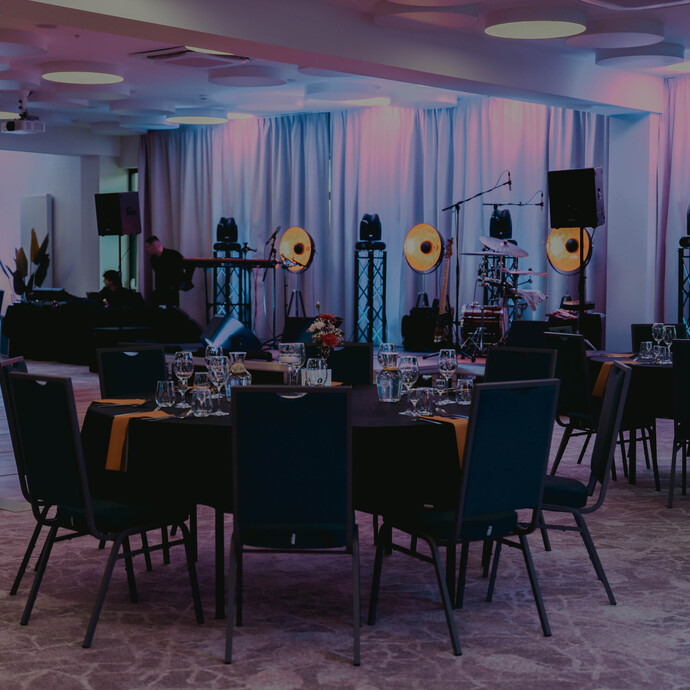
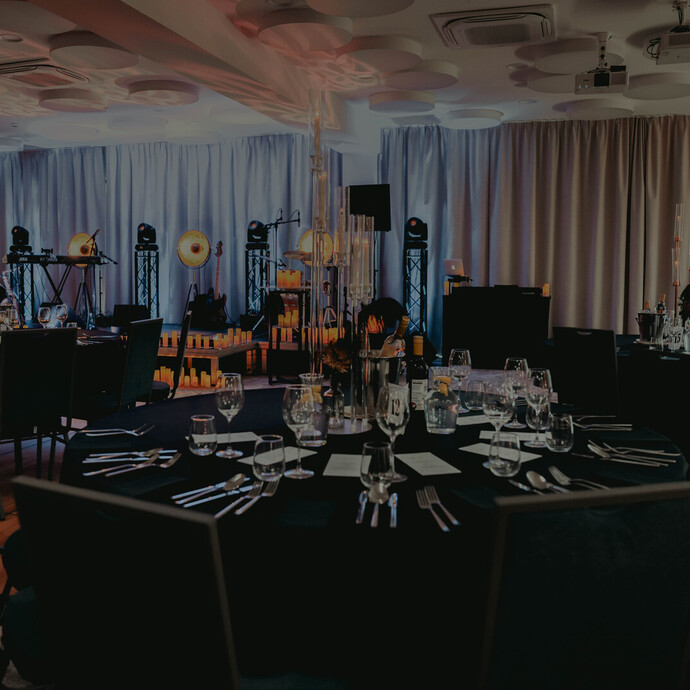
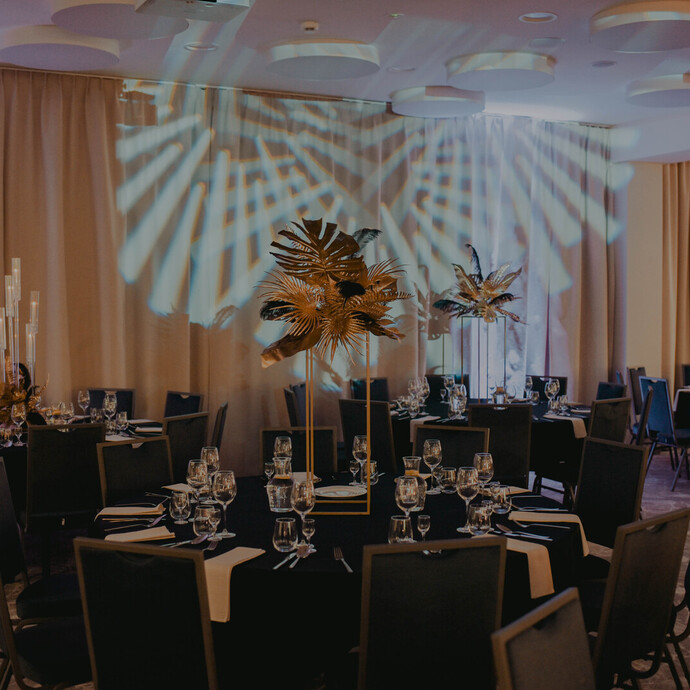
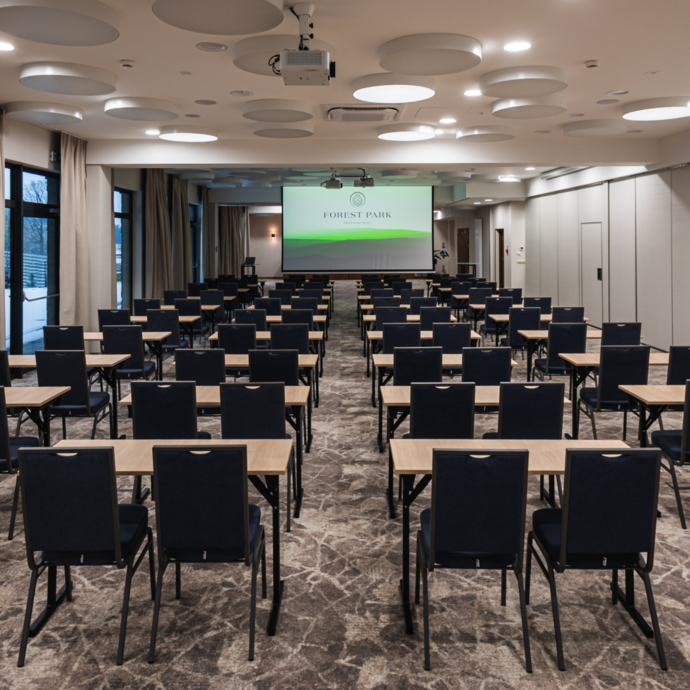
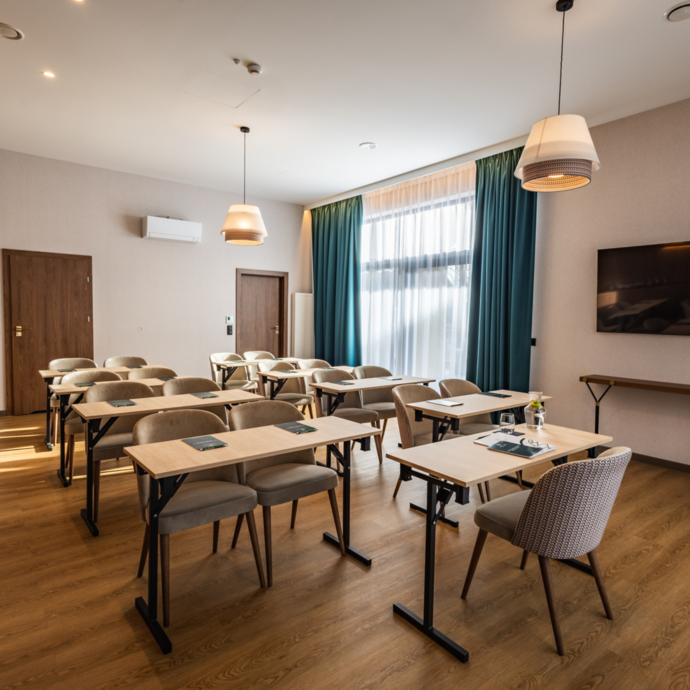
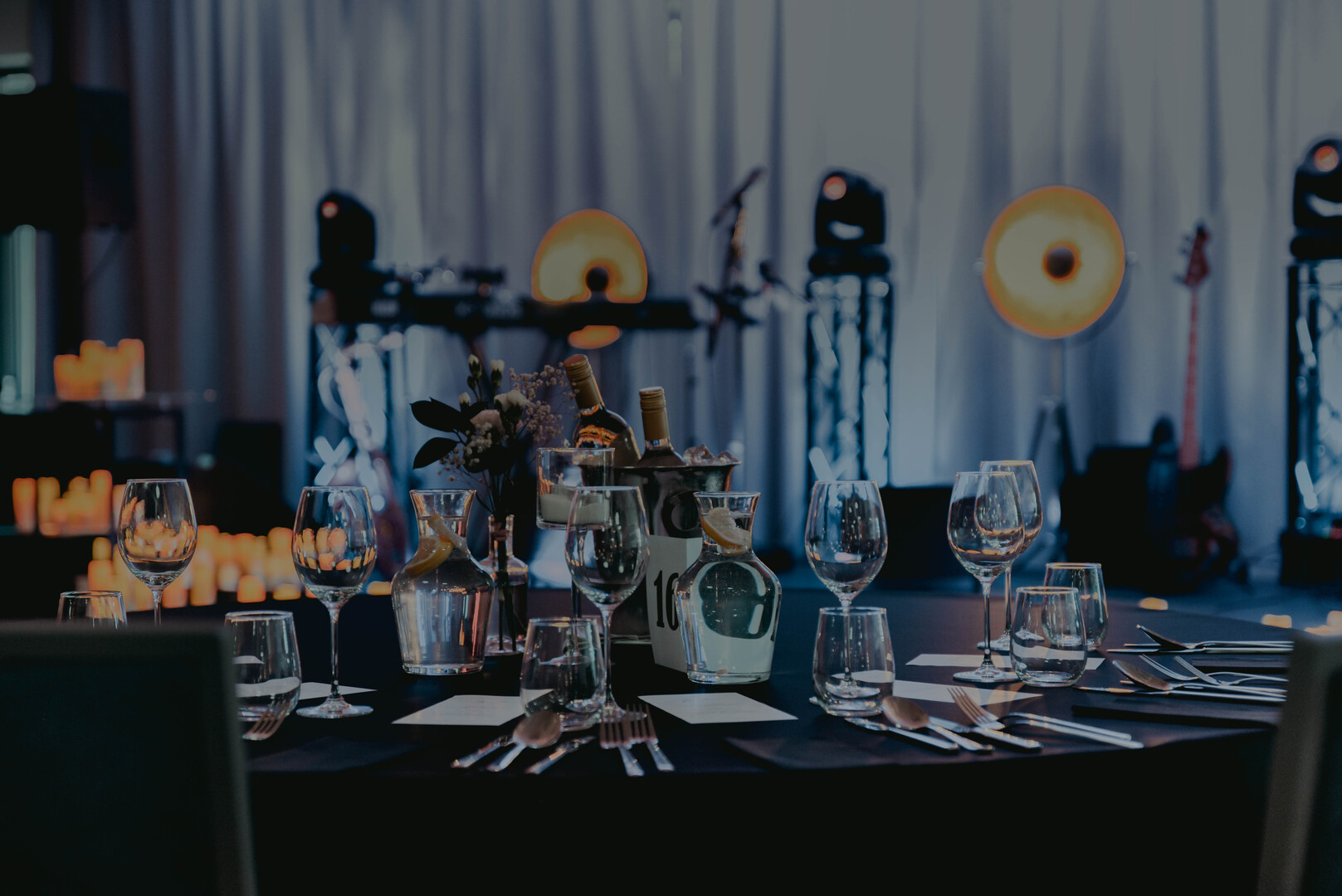
The conference venue should be tailored to the number of participants and the desired event format. Not only is the room size important, but also the ability to change its layout depending on the program. A theater-style setup, with rows of chairs facing the stage or the presenter, works well for presentations; tables may be needed for training sessions; and a space for smaller groups to work in is ideal for workshops. It's worth choosing hotels with flexible infrastructure that allows you to adjust the room layout to various program items.
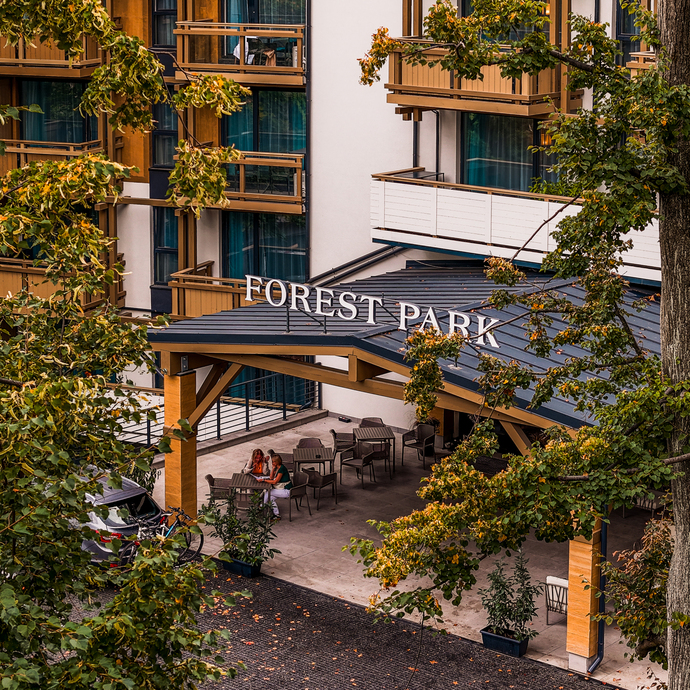
The hotel's location also impacts participant comfort. It's worth considering accessibility, parking availability, and accessibility for people with disabilities. For a multi-day conference, a convenient solution is a hotel that offers on-site conference rooms, accommodations, a restaurant, and space for less formal meetings. One such venue is the Forest Park Resort & SPA in Świeradów-Zdrój, which allows you to combine business meetings with a stay in the Jizera Mountains.
What should a conference room include?
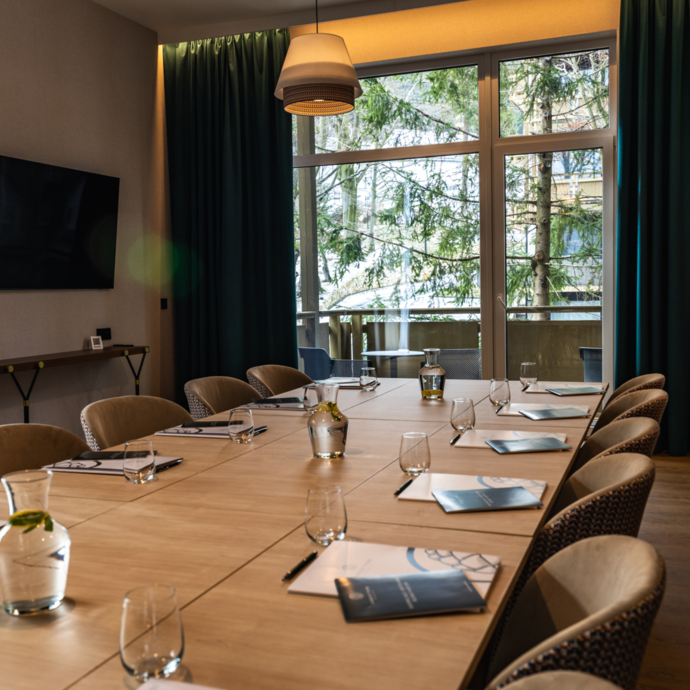
A well-prepared conference room should provide an environment that allows for presentations, training sessions, or meetings with a larger group without interruption. Modern audio and video equipment are key, as are high-speed internet for hybrid events. Before the conference begins, it's worth checking all the equipment necessary for presentations and ensuring that the sound system and connections are working as planned.
The space itself is equally important. The room should be appropriate for the number of participants, have good acoustics, and provide comfortable conditions even for meetings lasting several hours. Comfortable chairs, air conditioning, and access to daylight all contribute to participant comfort, especially if they spend several hours in the room.
Catering and Coffee Breaks - How to Plan Them?
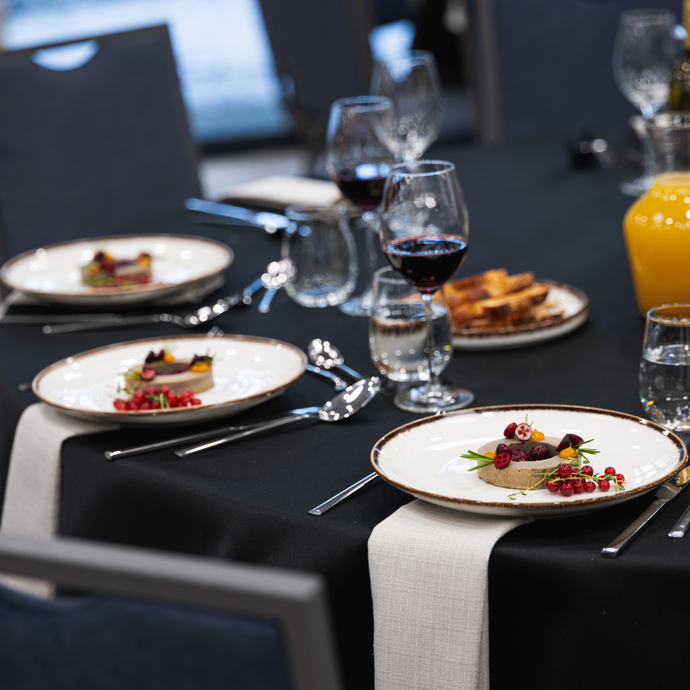
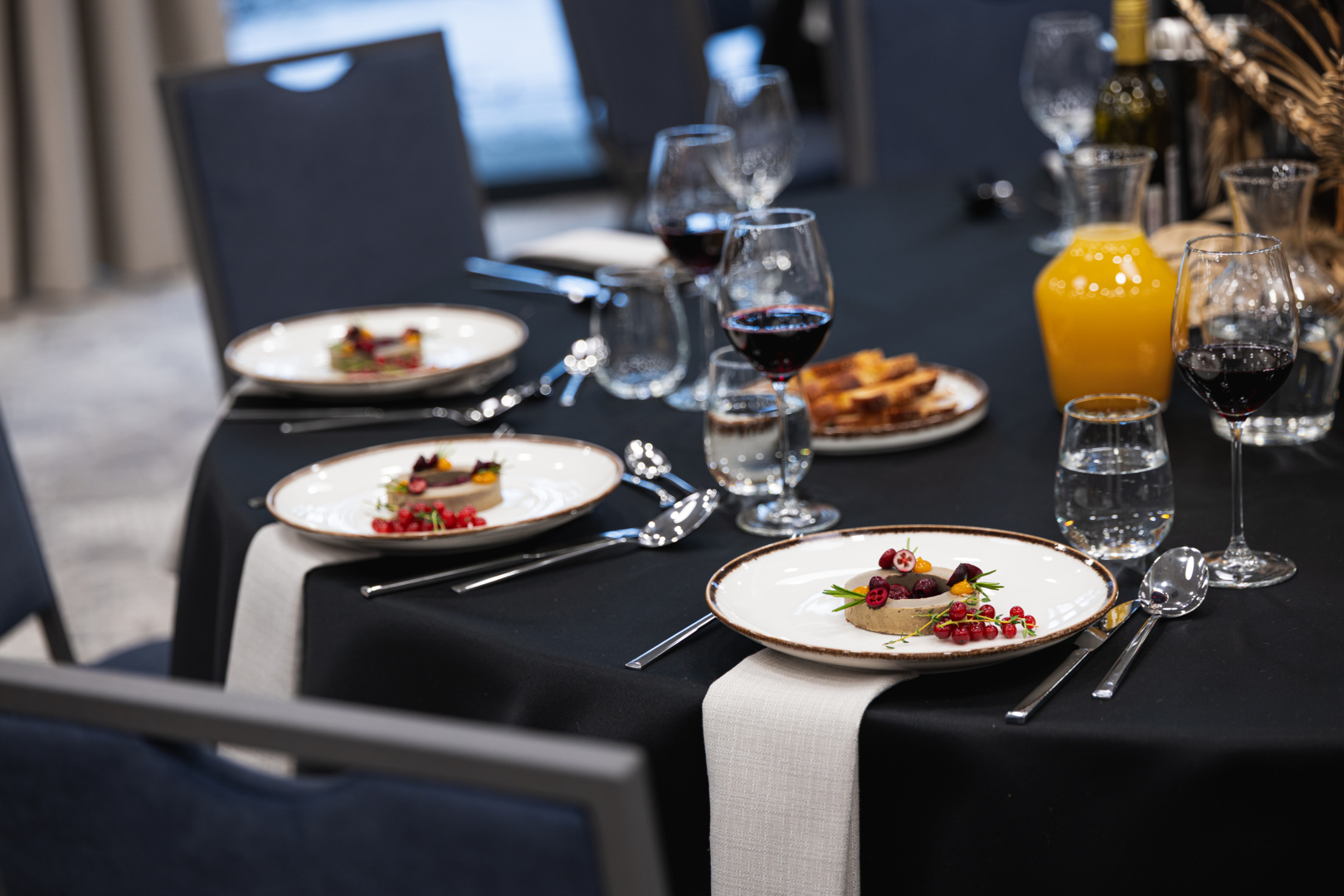
For a full-day conference, catering should be well-balanced with the meeting agenda. Therefore, it's worth planning breaks and meals so that participants have time to relax between each event. For a shorter meeting, a single coffee break may be sufficient, while for a longer conference, it's better to include several. Coffee, tea, cold drinks, and small snacks allow for a moment of respite before the meeting resumes. Well-planned breaks also help maintain the energy and well-being of conference participants.
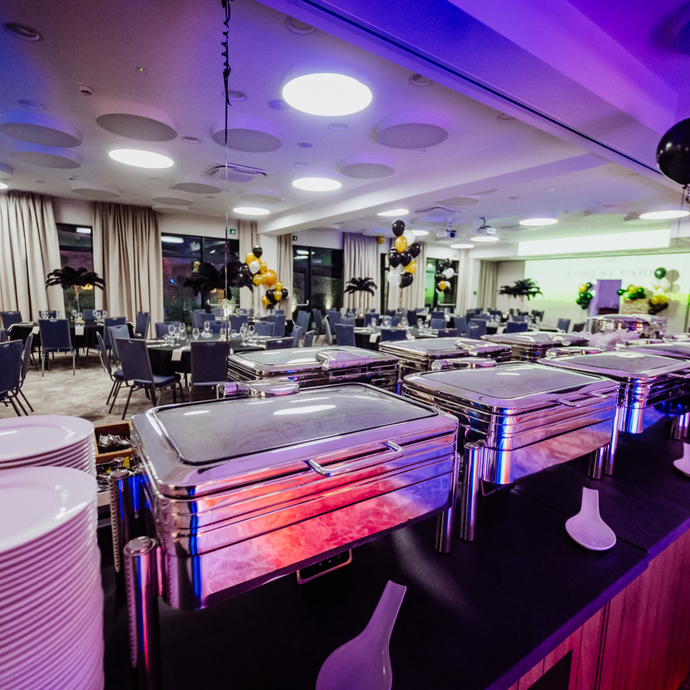
If the meeting lasts for most of the day, it's worth including a more filling meal, such as lunch or a buffet. It's also a good idea to gather information about participants' dietary needs during the registration process to ensure the prepared menu is suitable for everyone.
Accommodation and Additional Conference Activities
For a multi-day conference, the option of staying overnight at the same hotel is a great convenience for participants. This eliminates the need to organize additional travel between the event venue and their accommodation. When booking, it's worth checking the number of available rooms, check-in times, and the accommodation policy. It's also a good idea to check whether the hotel can accommodate the entire group at one time and ensure guests' comfort throughout their stay.
After the official program is over, it's worth leaving space for a more informal gathering. A shared dinner, a walk, a wellness area, or team-building activities allow participants to chat in a less formal setting and get to know each other better. For a conference away, such activities complement the program well.
How to ensure a smooth conference run?
Organizing a conference doesn't end with booking a hotel and sending invitations. A few days before the event, it's worth reconfirming the number of guests, room setup, meal times, and technical issues. It's also a good idea to designate one person on the organizer's side who will work closely with the hotel coordinator.
It's worth monitoring preparations even before participants arrive. Checking the signage, equipment, catering, and materials helps identify any problems before the meeting begins. Professional staff is also crucial, as they can quickly respond to changes in the program or additional participant requirements.
Before signing the contract, it's worth thoroughly reviewing its scope. It should clearly define, among other things, the following: The number of rooms and seats in the hall, catering, equipment, payment deadlines, and cancellation policies can help avoid misunderstandings.
What to remember after the event?
The conclusion of a conference is a good time to assess how the event was received by attendees and draw conclusions for the future. A short survey will allow you to gather feedback on the program, room, catering, and service. This information is useful not only for the organizer but also for the hotel, which can use it to better tailor its offerings and management of future events. It's also a good idea to compare final costs with the previously established budget.
A well-organized hotel conference requires many details, but proper preparation significantly simplifies the entire process. Therefore, it's important to choose a venue that meets the needs of attendees and allows for the smooth implementation of the event plan. This makes it easier to ensure the event runs smoothly from start to finish.
Author of the post

Julia Pągowska
Marketing and Social Media Specialist

Responsible for the communication and content marketing of Forest Park Resort & SPA. She creates social media content, records video materials, takes photos, and designs graphics and promotional materials for the hotel. She also prepares blog content related to relaxation, travel, and regional attractions.
In her materials, she focuses above all on the guest experience, showing places not only aesthetically but also practically, authentically, and from the perspective of people planning their stay. Privately, she is a lover of mountains, travel, dog walks, and places she wants to return to more than once.