

A well-organized conference begins with a thoughtful plan. You need to define the event's objective, set a budget, select a suitable venue, and design a program that appeals to the participants. The more matters you settle in advance, the easier it will be to finalize the details and run the event smoothly later on. So, how do you organize a conference step-by-step, and what should you keep in mind at each stage of preparation?
Step 1. Define the conference objective and target audience
It is best to start planning a conference by defining its primary goal and identifying the intended audience. Planning an academic conference focused on knowledge exchange differs significantly from organizing an industry gathering aimed at business networking or a training-oriented conference. However, the objective alone isn't everything—knowing who will attend the event is equally important.
Therefore, the next step should be to define the target audience. Consider who the potential participants are, their level of expertise, and what they expect from the conference. This makes it easier to select relevant topics, appropriate speakers, presentation formats, and the right promotional strategy.
At this stage, it is also wise to make a preliminary estimate of the number of participants, as this will influence the choice of venue, the size of the meeting room, and the overall organization of the event. You should also decide whether the conference will take place in person, online, or in a hybrid format.

Step 2. Set the date and prepare the conference budget
Once the objective and target audience have been defined, you can proceed to set the date for the conference. For larger events, it is advisable to begin preparations several months in advance; this makes it easier to find a suitable venue and coordinate the date with the speakers' availability. It is also worth checking whether the chosen date coincides with a holiday, a long weekend, or another major industry event. Such a clash could prevent some invitees from attending the conference.
Planning the budget is equally important, as the amount allocated will influence many subsequent organizational decisions. The budget should account for items such as venue rental, catering, accommodation, multimedia equipment, speaker fees, conference materials, event promotion, and additional attractions. It is also advisable to set aside a reserve for unforeseen expenses, such as extra technical support or costs associated with changes in the number of participants.
Step 3. Choose the right conference venue
When selecting a venue, consider the number of participants and the conference program. The room should be spacious and well-equipped, and the facility itself should provide the necessary amenities for the duration of the event. Key factors to check include parking availability, technical equipment, and additional spaces that might be useful during breaks or less formal meetings.
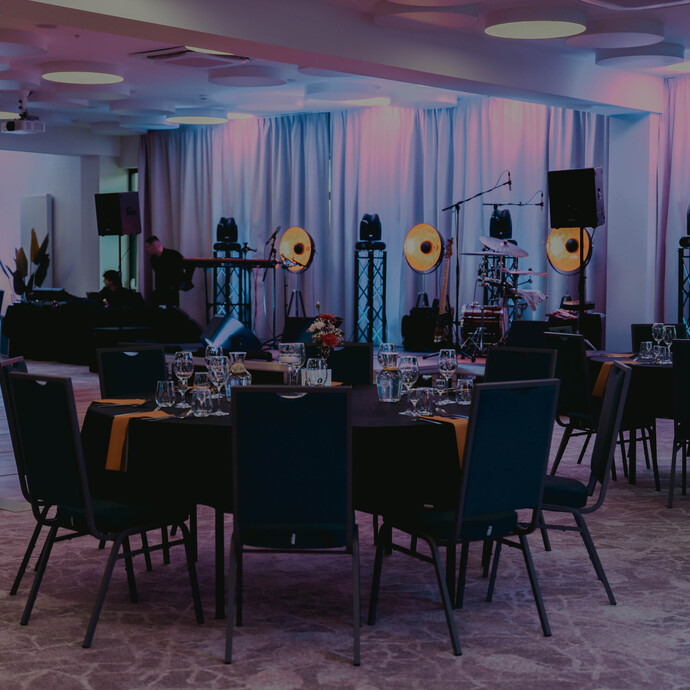
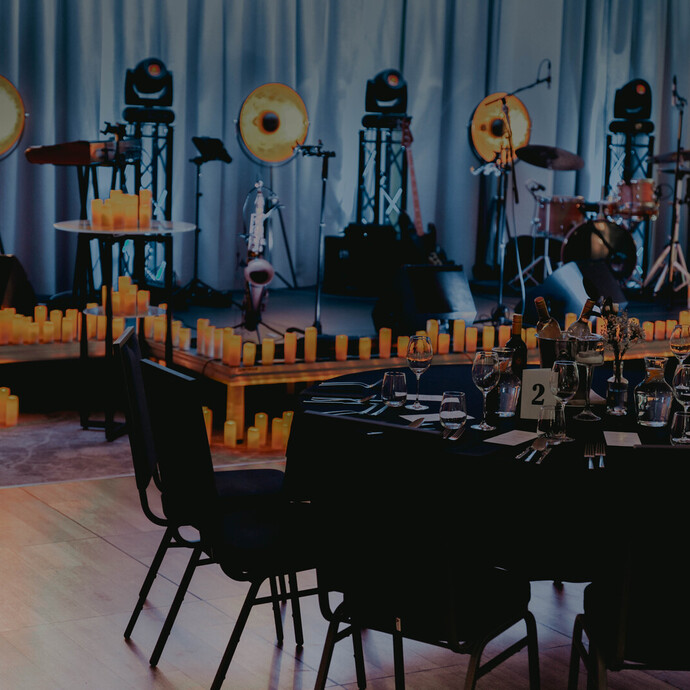
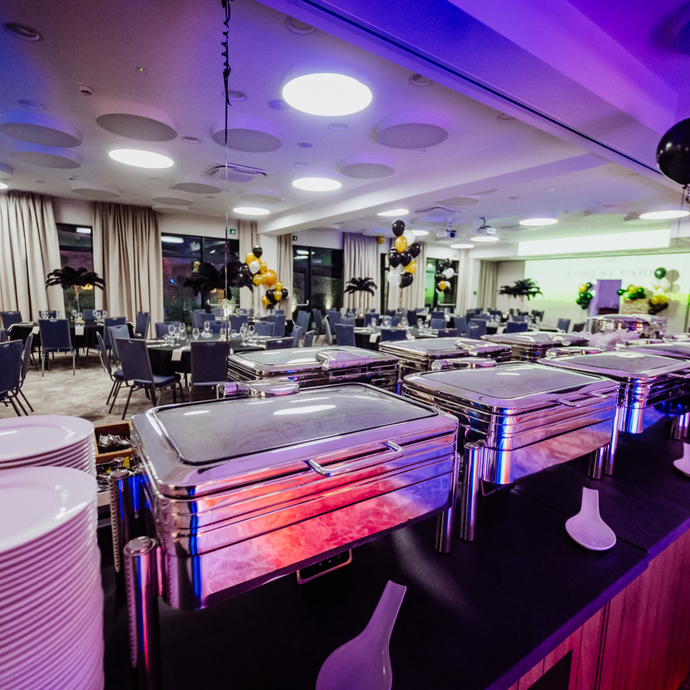
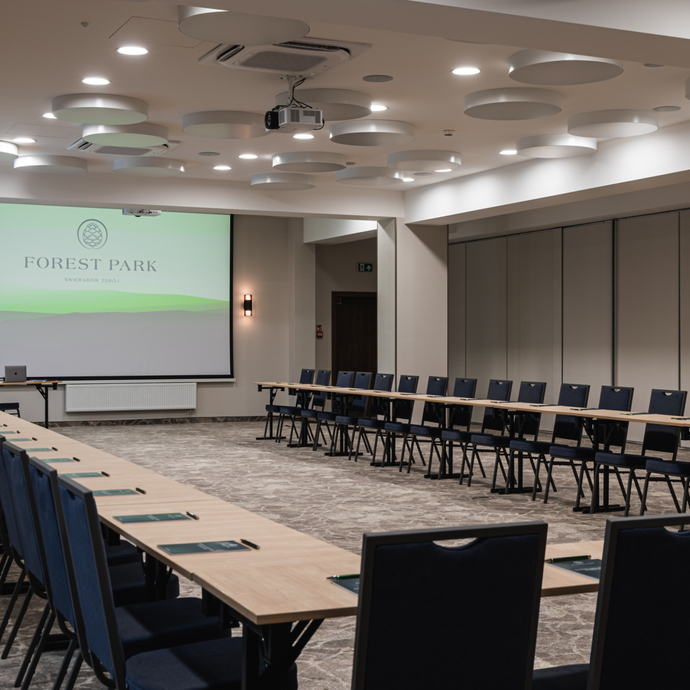
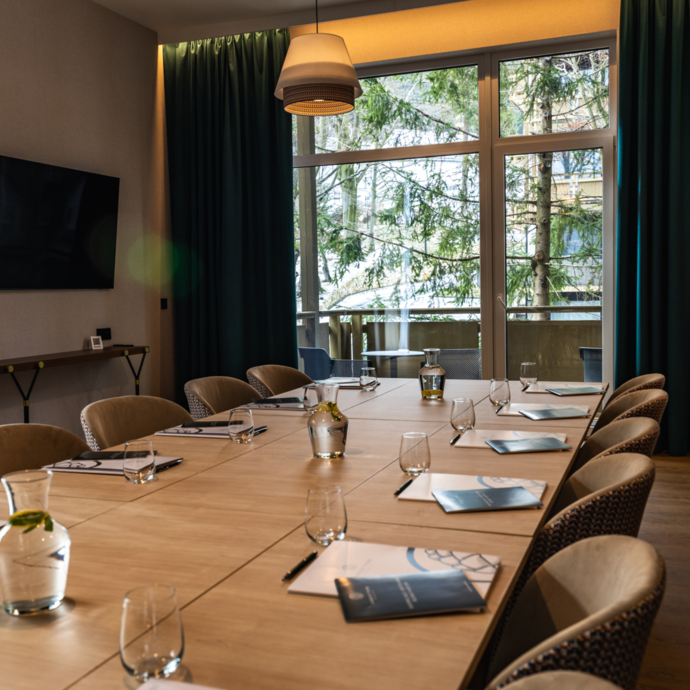
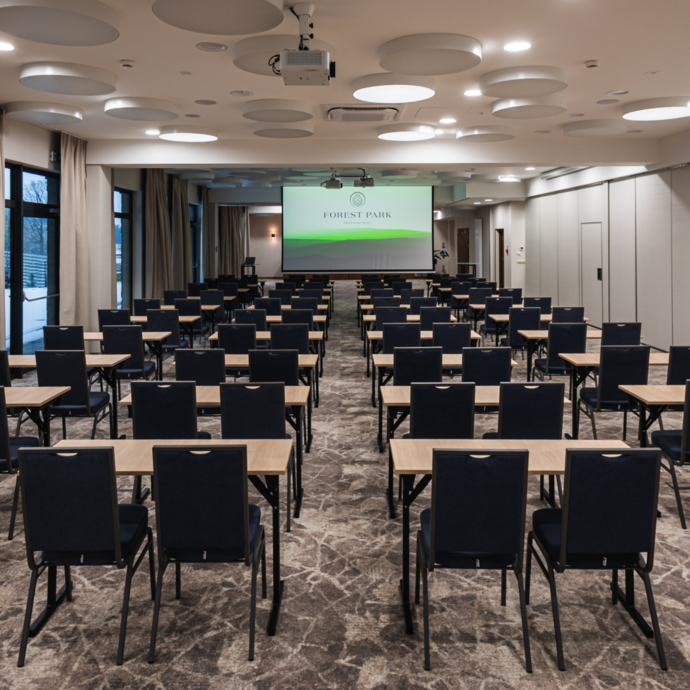
For longer events, hosting the conference at a hotel can be an excellent solution. This allows you to combine conference rooms, comfortable accommodation, catering, and additional attractions all in one location. A prime example of such a venue is the Forest Park Resort & SPA in Świeradów-Zdrój, which offers over 930 m² of conference space, flexible room layouts, multimedia equipment, accommodation, and an on-site restaurant. This enables participants to relax and enjoy the available amenities once the formal conference sessions have concluded.
Step 4. Develop the program and invite speakers
The next step is to prepare the conference program. It should align with the event's objectives and the target audience's interests while incorporating various session formats—such as expert presentations, panel discussions, workshops, and networking sessions. It is also advisable to schedule time for coffee breaks and participant interaction.
Once the program is outlined, you need to select suitable speakers. Ideally, they should be experts in their fields capable of sharing their knowledge in an engaging way. After confirming their participation, it is best to immediately establish presentation times and technical requirements.
Step 5. Plan registration and event promotion
With the program and key details finalized, you can begin promoting the conference. Tailor your promotional efforts to the target audience and utilize the channels they frequent most, such as social media, email marketing, the event website, or partnerships with industry associates.
At the same time, it is a good idea to launch a simple registration system to track the number of sign-ups and collect necessary information. The registration form might include options for selecting workshops, accommodation requests, or dietary preferences. This data helps streamline the planning of catering, conference materials, and other organizational aspects later on.
Step 6. Finalize logistics, catering, and technical details
A few weeks before the conference, review the entire plan to ensure all key organizational elements are properly prepared. You need to confirm the number of participants, room layouts, meal times, accommodation arrangements, coffee breaks, and the setup of the registration/reception area. It is also a good idea to clearly divide responsibilities within the team so that everyone knows exactly what they are accountable for.
Once organizational matters are sorted out, it is time to check the technical setup. It is best to run a quick test to ensure that microphones, the projector, presentations, lighting, and the internet connection are all working correctly. It is also wise to have a contingency plan in place for equipment issues and, for more complex setups, to enlist the help of experienced specialists.
Finally, prepare conference materials such as the agenda, name badges, and room signage. The more elements you prepare in advance, the more smoothly you can focus on coordinating the event and addressing participants' needs on the day itself.

Step 7. Ensure the conference runs smoothly
On the day of the event, the most important thing is sticking to the schedule and responding quickly to any issues that arise. Monitor the progress of individual agenda items, keep an eye on the timing of presentations and breaks, and ensure participants know where the next parts of the conference are taking place.
Guest comfort is equally important. Ensure access to beverages, clear signage, and timely breaks, and provide quick assistance if participants have questions. This ensures the event runs more smoothly and maintains a comfortable atmosphere throughout the day. It is also wise to build in some buffer time for minor delays or schedule changes.
Step 8. Gather participant feedback after the event
Once the conference concludes, it is worth finding out how the event was received by the participants. A short survey can help evaluate the agenda, speakers, catering, venue, and organization, while the collected feedback will reveal which elements worked best. This is also a good time to summarize the entire preparation process. It is worth comparing actual expenses against the planned budget, reviewing the team's work, and gathering key observations. This makes it easier to evaluate the conference as a whole and apply the lessons learned to the organization of future events.
Author of the post

Julia Pągowska
Marketing and Social Media Specialist

Responsible for the communication and content marketing of Forest Park Resort & SPA. She creates social media content, records video materials, takes photos, and designs graphics and promotional materials for the hotel. She also prepares blog content related to relaxation, travel, and regional attractions.
In her materials, she focuses above all on the guest experience, showing places not only aesthetically but also practically, authentically, and from the perspective of people planning their stay. Privately, she is a lover of mountains, travel, dog walks, and places she wants to return to more than once.